Intangible Asset Font: A Maker’s Review for Handmade Labels
There is a specific moment in every product design session where the difference between "homemade" and "handcrafted" becomes painfully obvious. Last Tuesday, while I was finalizing the label artwork for a new line of soy candles, I hit that exact wall. The minimalist sans serif font I usually rely on felt too corporate and sterile against the textured linen paper, but the overly ornate calligraphy script I tested looked messy and illegible at two inches wide. I needed something that bridged the gap between professional polish and artisanal warmth. That is when I loaded Intangible Asset into my design software to test its viability for physical merchandise. As a creator who constantly balances aesthetic beauty with production realities, finding Script Handwritten styles among commercial Fonts that actually survive the printing and cutting process is rare, but this typeface proved to be an exceptional tool for authentic branding.
Intangible Asset for Candle Labels and Product Packaging
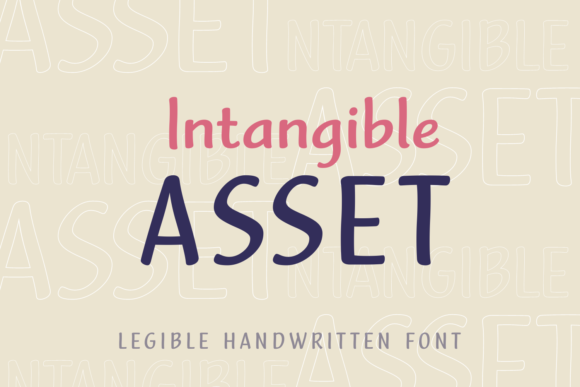
When evaluating Intangible Asset for candle labels and product packaging, the primary concern is always legibility at small scales within the broader category of Script Handwritten Fonts. I applied this font to a 2x3 inch oval label mockup featuring a scent name and a short tagline. What immediately stood out was the consistent stroke weight; unlike many handwritten fonts that have erratic thins and thicks which disappear during printing, Intangible Asset maintains a sturdy, readable baseline. This makes it incredibly reliable for packaging design where customers need to quickly identify product variants like "Lavender & Sage" or "Vanilla Bean." The authentic look and feel mentioned in the product description translates beautifully to kraft paper and matte vinyl, giving the impression that the text was hand-lettered specifically for that jar rather than mass-produced. For makers selling physical goods, this perceived personalization adds significant value to the unboxing experience without requiring you to hand-write hundreds of labels.
Readability Testing for Small Stickers and Boutique Tags
I also tested Intangible Asset on boutique tags and small sticker sheets to see how it performs as one of the more practical Script Handwritten Fonts for detailed craft projects. Using a Cricut Maker on permanent vinyl, I cut the font at 0.75 inches tall. The letterforms held up surprisingly well because the design avoids excessive loops or fragile connecting lines that typically cause weeding nightmares. However, creators should note that while it excels at short phrases and names, it is not suitable for dense technical information or ingredient lists. I found that pairing Intangible Asset with a clean, geometric sans serif font for the fine print created a perfect visual hierarchy. The script draws the eye to the brand name or sentiment, while the supporting text remains functional. This balance is crucial for shop branding, ensuring your products look cohesive across different sizes and materials, from tiny price stickers to large shopping bag stamps.
Intangible Asset for Chalkboard Quotes and Teaching Material
Beyond physical merchandise, Intangible Asset shines brilliantly when used for chalkboard quotes and teaching material, distinguishing itself from other decorative Fonts through its natural texture. I designed a digital printable wall art piece mimicking a cafe menu board, and the font’s inherent irregularity sold the illusion perfectly. It captures the essence of marker or chalk on a porous surface without looking like a distressed grunge filter was slapped on top. For educators or digital download sellers creating worksheet headers, classroom decor, or instructional signage, this typeface offers high readability even from a distance. The x-height is generous, meaning lowercase letters are tall enough to be distinguished easily, which is essential for educational contexts or public signage. When designing for digital platforms like Pinterest or Instagram, this authentic feel stops the scroll because it feels human in an increasingly AI-generated feed.
Digital Download Templates and Printable Wall Art
Creating editable templates requires Intangible Asset to be versatile enough for end-users who may not be designers, making it a standout choice among user-friendly Script Handwritten Fonts. I built a wedding welcome sign template using this font to test how it behaves when customers edit the text themselves. Because the spacing is balanced and the connections are intuitive, users can type their own names without awkward gaps or overlapping characters ruining the layout. This is a massive selling point for Etsy sellers offering customizable printables. The font carries enough personality to serve as the main display element but remains simple enough that it doesn't clash with various background textures or floral clip art. Just remember to check your commercial licensing if you plan to sell templates, as providing a seamless customer experience depends heavily on choosing typefaces that are forgiving of amateur editing.
Font Pairing Strategies for Intangible Asset in Brand Identity
Successful brand identity relies on knowing how to leverage Intangible Asset alongside complementary typefaces, as no single entry in the world of Fonts can do every job alone. During my review, I discovered that this script pairs exceptionally well with bold, modern serifs for a vintage-inspired aesthetic, or with lightweight sans serifs for a contemporary minimalist look. For a farmhouse-style bakery brand, I combined it with a slab serif to evoke warmth and tradition. Conversely, for a modern stationery line, pairing it with a thin uppercase tracking font created an elegant, airy feel. The key is to let Intangible Asset handle the emotional heavy lifting—names, greetings, and highlights—while your secondary font handles structure and data. This strategic approach ensures your designs remain accessible and professional, preventing the "messy scrapbook" look that can sometimes plague handmade businesses trying to appear rustic.
Production Considerations for Merchandise and Apparel
Before committing Intangible Asset to apparel or large-format signs, makers must understand the technical limits of this specific style within the landscape of Script Handwritten Fonts. I tested the font on a cotton tote bag using heat transfer vinyl, and while the result was gorgeous, I had to avoid using all-caps. Like most authentic handwriting styles, Intangible Asset is designed for mixed case or title case; forcing it into uppercase destroys the natural flow and makes it significantly harder to read. Additionally, if you are screen printing or embroidering, ensure the stroke width is compatible with your mesh count or needle size. While it is robust for a script, extremely small embroidery might require slight manual thickening in digitizing software. Always run a physical prototype before listing a new product. The authentic charm of this font lies in its imperfections, but in manufacturing, those imperfections need to be controlled to ensure a premium finish that justifies a higher price point.
Ultimately, integrating Intangible Asset into my creative workflow has solved the persistent challenge of finding a handwritten font that feels genuine without sacrificing commercial utility. Whether you are labeling artisanal soaps, designing educational posters, or building a cohesive shop identity, this typeface delivers the personal touch that customers crave. It respects the intelligence of the reader by prioritizing clarity, yet retains the artistic soul that defines the handmade marketplace. For makers ready to elevate their visual presentation beyond generic freebies, this font represents a worthwhile investment in the quality and consistency of their brand.